

How to Create Homes that Belong: Designing Interiors Rooted in their Landscape
‘Genius loci’ is a Latin phrase meaning ‘the spirit of a place’. In interior design, it describes homes that feel as though they could exist nowhere else, rooted in the landscape, history, materials and craft traditions of their setting. It's an approach to contextual interior design, creating interiors rooted in their landscape rather than following fashions or formulas, and in doing so, creating homes that feel timeless.
Writing from the Welsh border in rural Herefordshire where landscape, weather and vernacular architecture underpin daily life, it is a principle I return to when designing the interiors of country houses, farm estates and historic cottages shaped by a sense of place over generations. It’s about allowing a house to express its own narrative instead of imposing an idea of ‘country’ upon it.
When done well, a home reflects the people who live there whilst being aligned with its setting creating a genuine sense of place. For me, ‘genius loci’ is integral to shaping interiors that feel well-crafted and authentic.
Country house pastiche, by contrast, relies on shorthand: antlers, checks, hunting prints and overworked rustic tropes applied regardless of context. These stock motifs flatten individuality and can feel insincere, as though the house is trying to prove its rural credentials. The most convincing country interiors resist cliché, favouring restraint, honesty of materials and a quiet confidence that comes from responding to place, not performance.
Whether you live in the countryside or a city, good interiors respond to their architecture rather than fighting it. At its heart, architecture-led interior design begins with understanding the character of a building before deciding how it should evolve. You don’t need to create a museum in the era of your home, but should echo its 'visual language' in the choices you make.
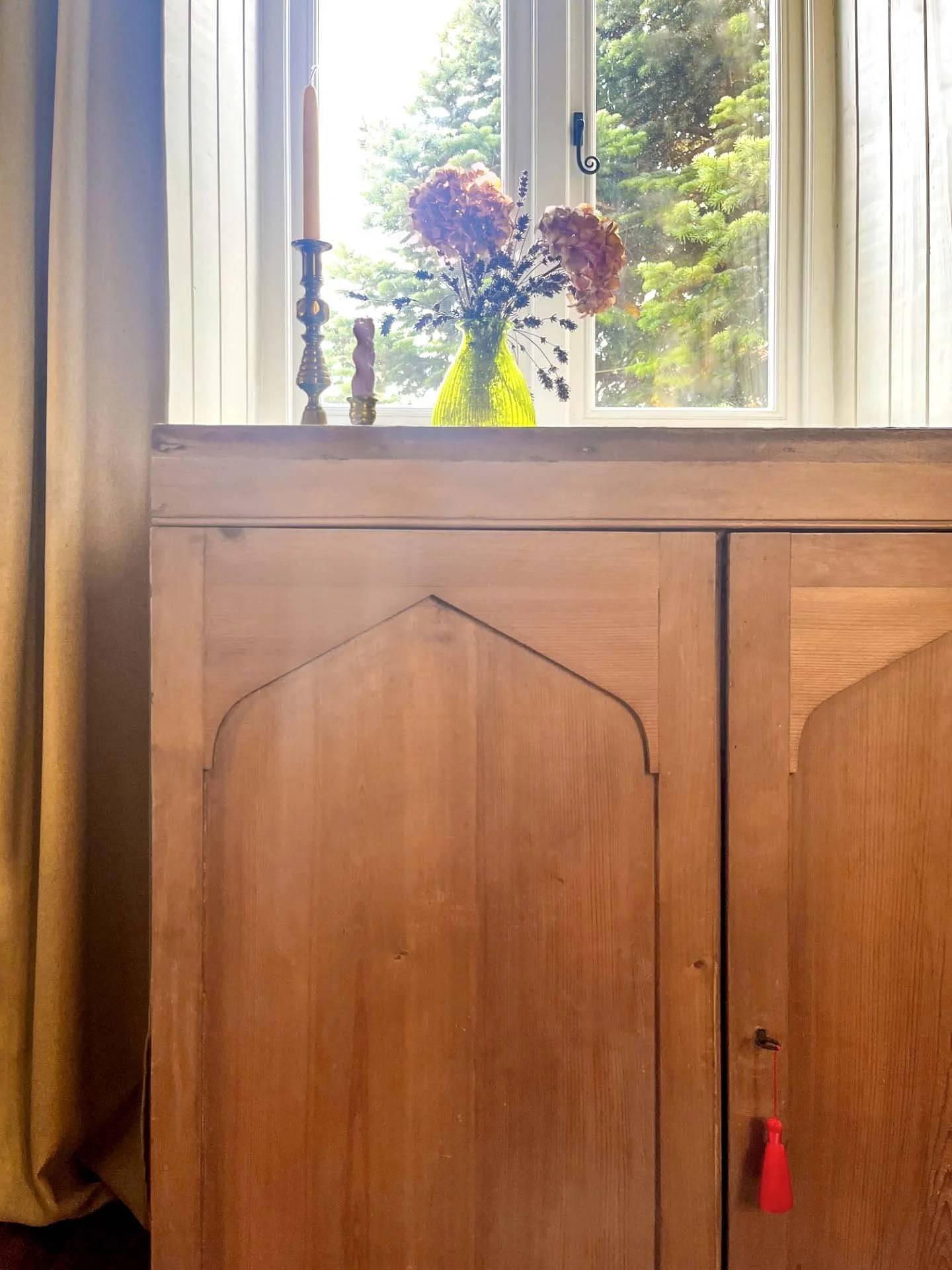
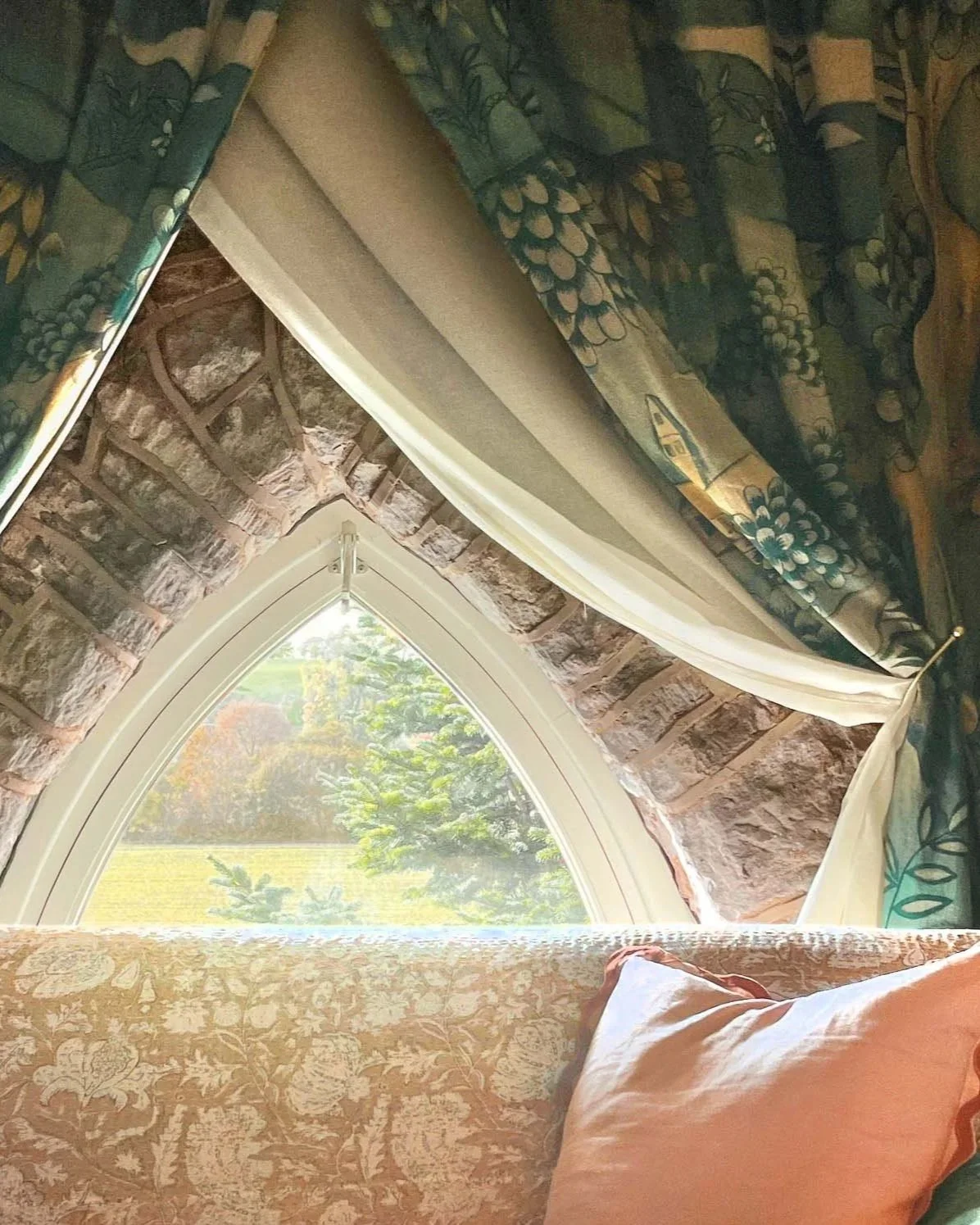
For example, the visual language of my Victorian Herefordshire chapel conversion is humble, robust and not overtly embellished. It's grander than a cottage but more restrained than a villa. My furniture is a beautiful mismatch of periods which reflect this balance, and there’s an occasional nod to the chapel’s original features in the detailing without being overt.
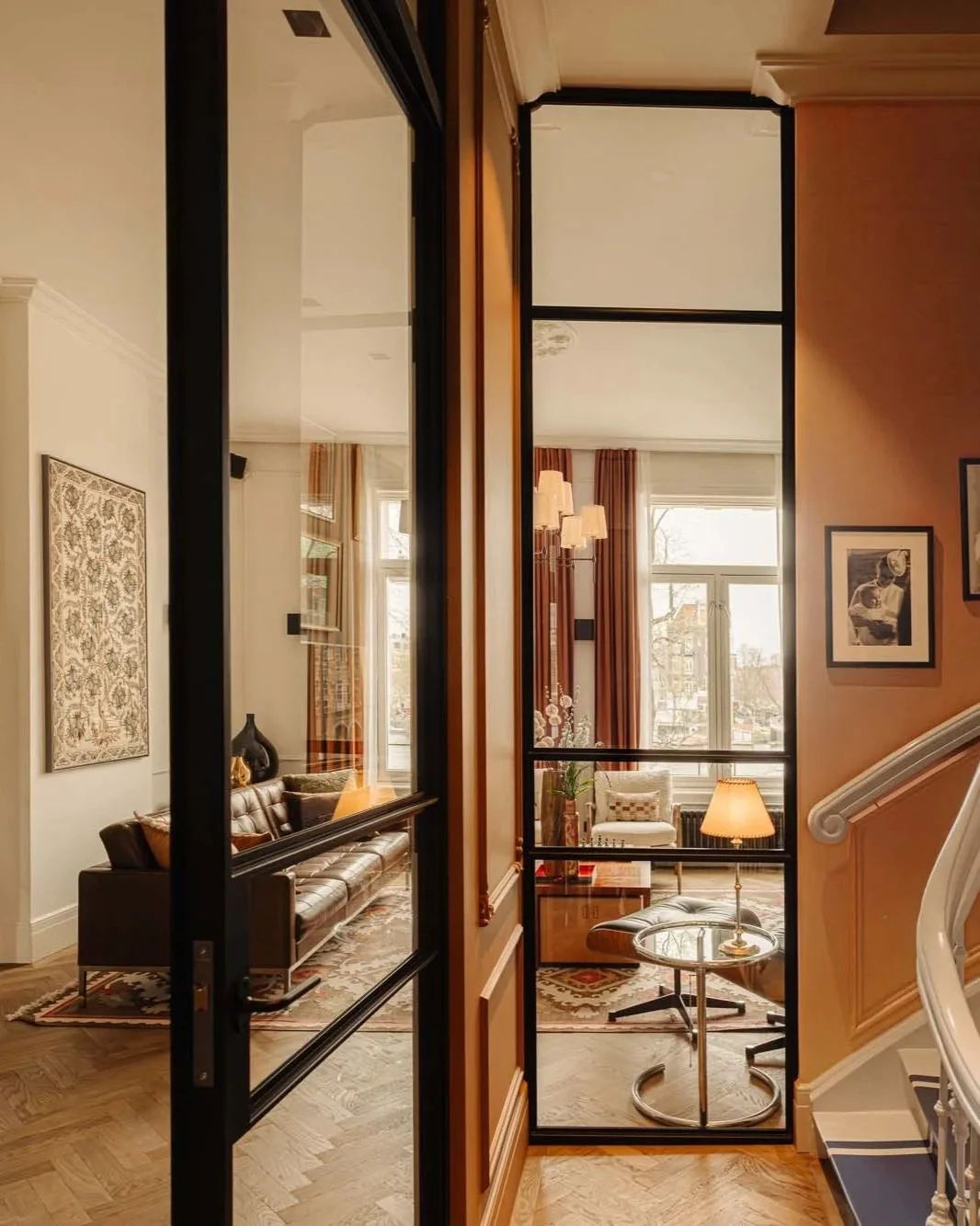
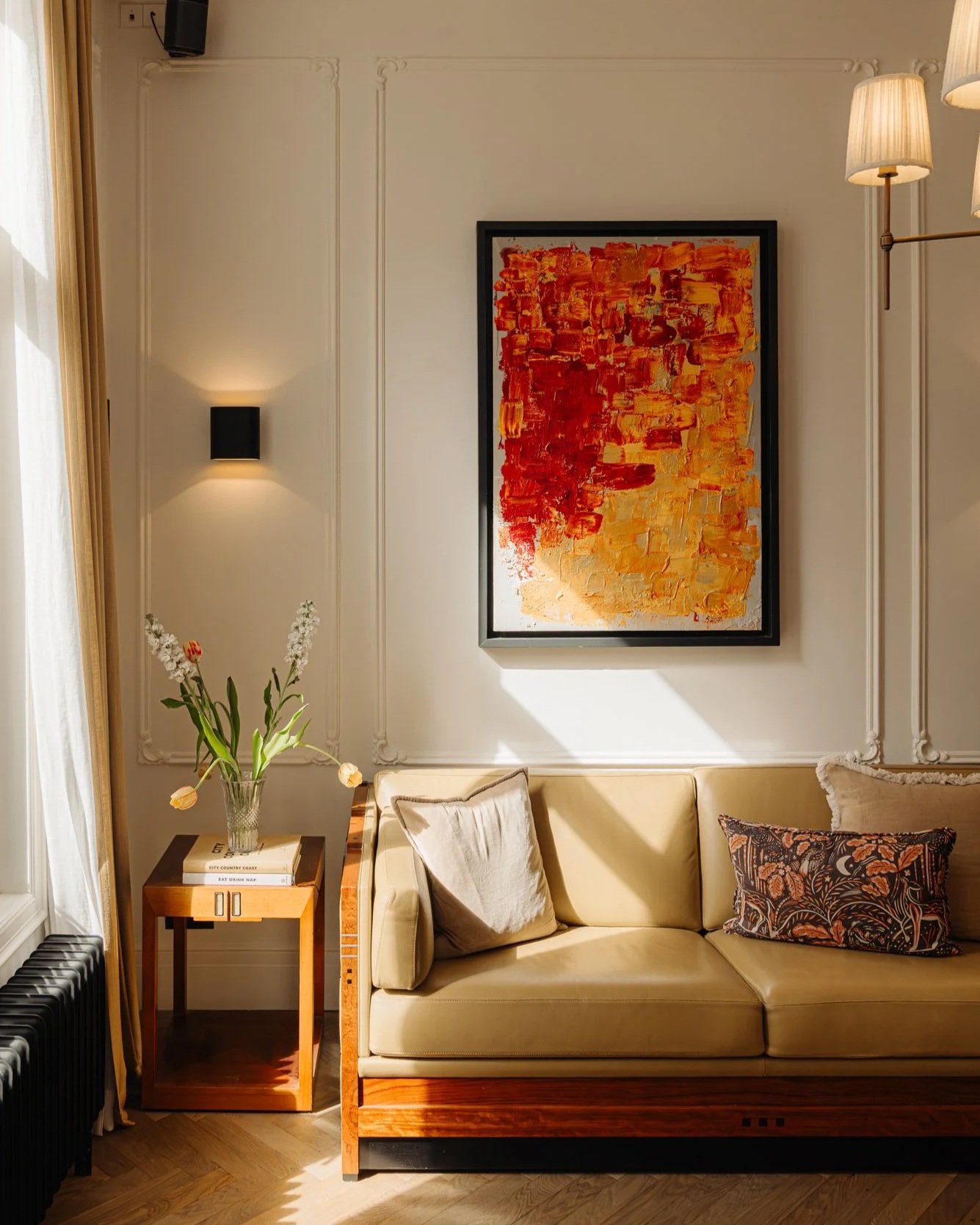
Below, in this historic riverside house in Amsterdam – where interiors are typically minimalist and neutral, relying on light, texture and natural materials – colour was introduced through a Rembrandt-inspired palette: stil de grain (a lake pigment ranging from brown-yellow to olive green), smalt (a warm blue) and sienna (an earth pigment which, when raw, is sandy in tone and when burnt, becomes a deep reddish brown).
This is not an artist-themed interior, it's a palette referencing the colours of Amsterdam’s vernacular architecture and its surrounding landscape, drawn from a familiar cultural reference. It's an example of design informed by local history and materials, where colour, furniture and architecture speak the same language. Beyond colour, 20th-century furniture – from Art Deco to postmodern – was placed within the classic architectural framework, drawing on both Dutch design language and the character of the city itself.
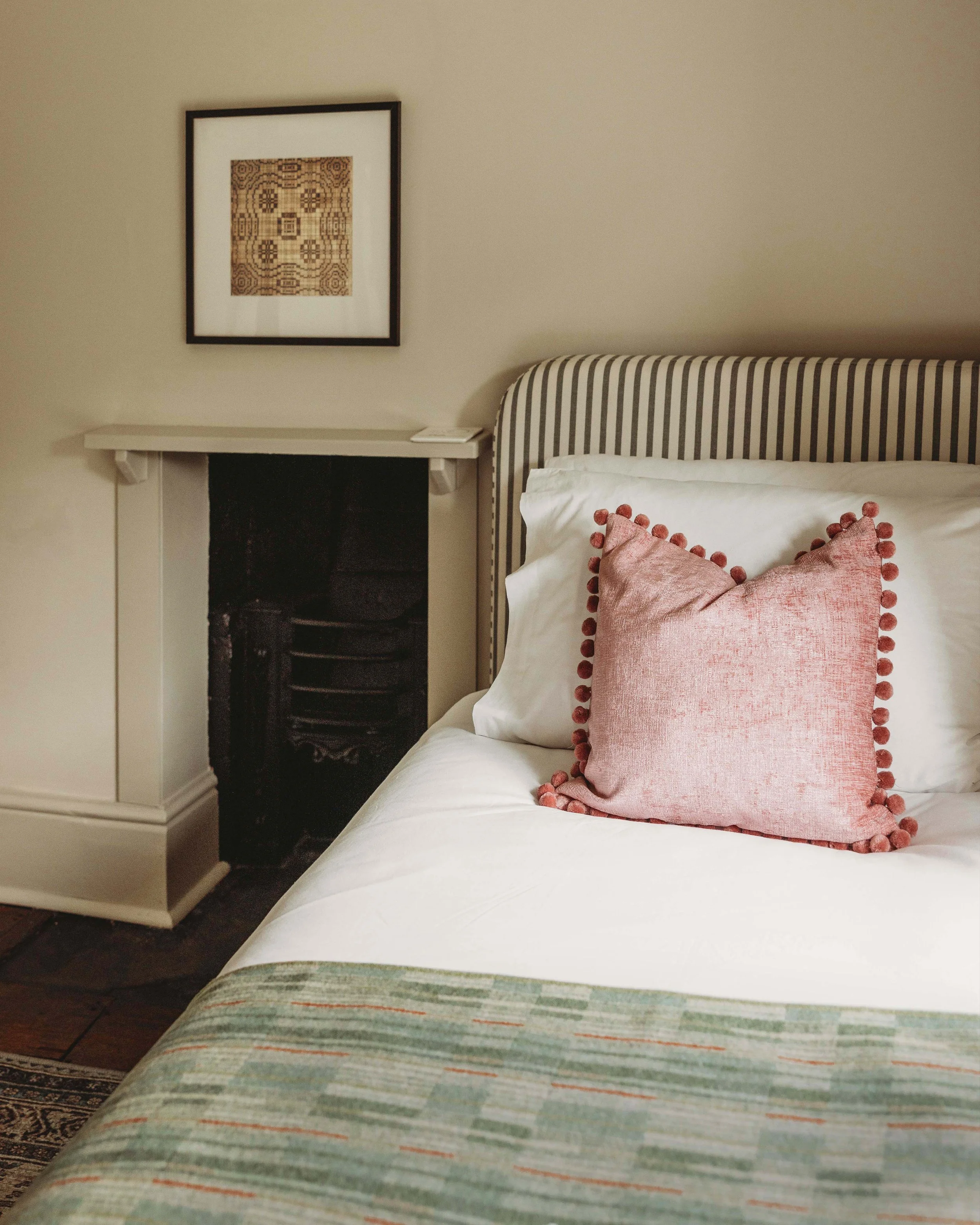
An 18th-century Welsh blanket design drawing is framed as artwork in this Mid-Wales holiday cottage, offering a subtle reference to place and heritage without tipping into pastiche. Acknowledging the textile traditions of Wales in a way that emphasises human handwork is a fitting expression of ‘genius loci’ or the spirit of the place, drawn from a period when mass production first threatened craftsmanship – a tension that mirrors the present-day conflict with AI. It was sourced specifically for the project from the Pattern Book of William Jones, weaver of Holt, 1775–82, held in the National Library of Wales archive.
Designing with respect for the architecture doesn't mean rejecting modern life when you live in a period home, but integrating it with discretion. In historic houses, contemporary requirements (kitchens, bathrooms, heating and lighting) must be absorbed into the existing fabric by reflecting the same visual language.
Where I've used new materials in my home, I've chosen ones which develop patina such as oiled wood and unlacquered brass. When new interventions respond to the scale, materials and rhythms of the building, modern comfort becomes part of the house’s ongoing story rather than a jarring addition. Don’t apologise for or hide modern elements, and don’t dress them in period adornment which feels insincere. The methodology is honesty.
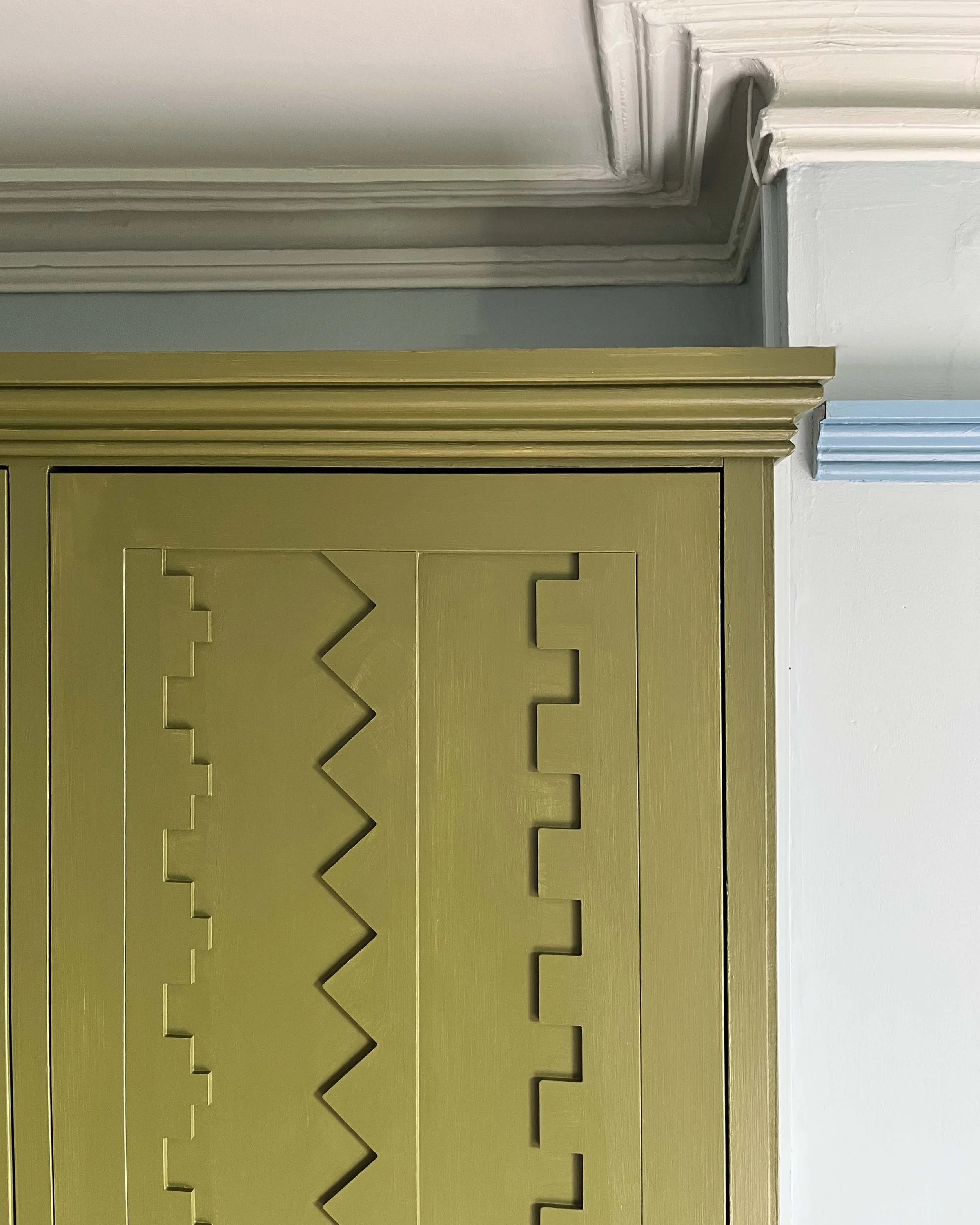
In the two children's bedrooms below, I brought together the vibrant personalities of the occupants with the Regency architecture by channeling the playfulness of the era's interior design (think Brighton Pavillion) in the colour, pattern and joinery detailing.
I was also mindful to reflect the locality by choosing colours that are found in the local landscape (Wheatsheaf, Rain and Caca D'Oie by Mylands) and motifs within the patterns which are not at odds with a farming community - think fruit of the harvest rather than, say, jungle fauna and flora for an English rural residence. Instead of borrowing inspiration from elsewhere, every decision was guided by the ‘genius loci’ of the house itself, allowing the architecture, landscape and local culture to shape the design in a way that feels entirely natural.
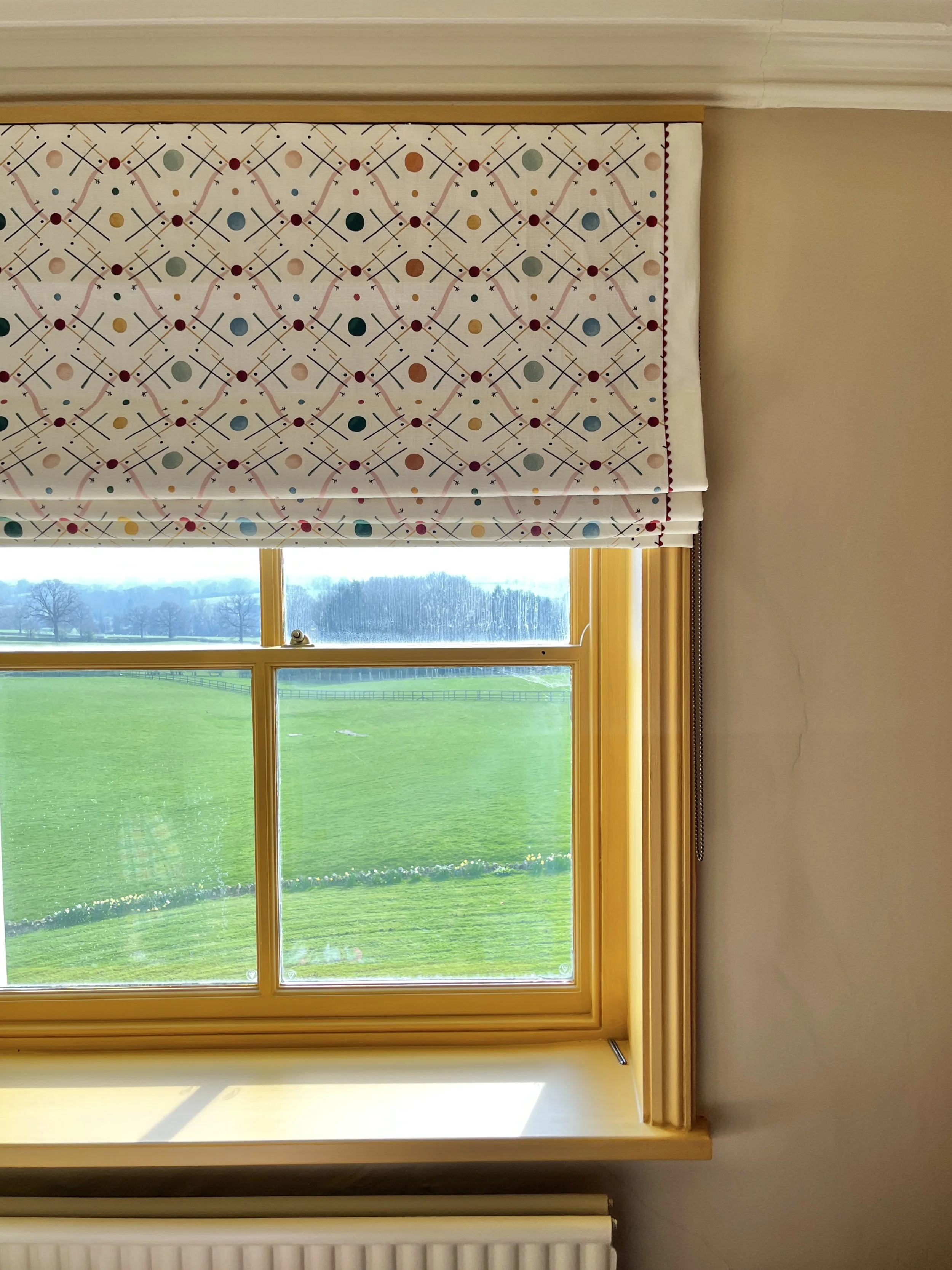
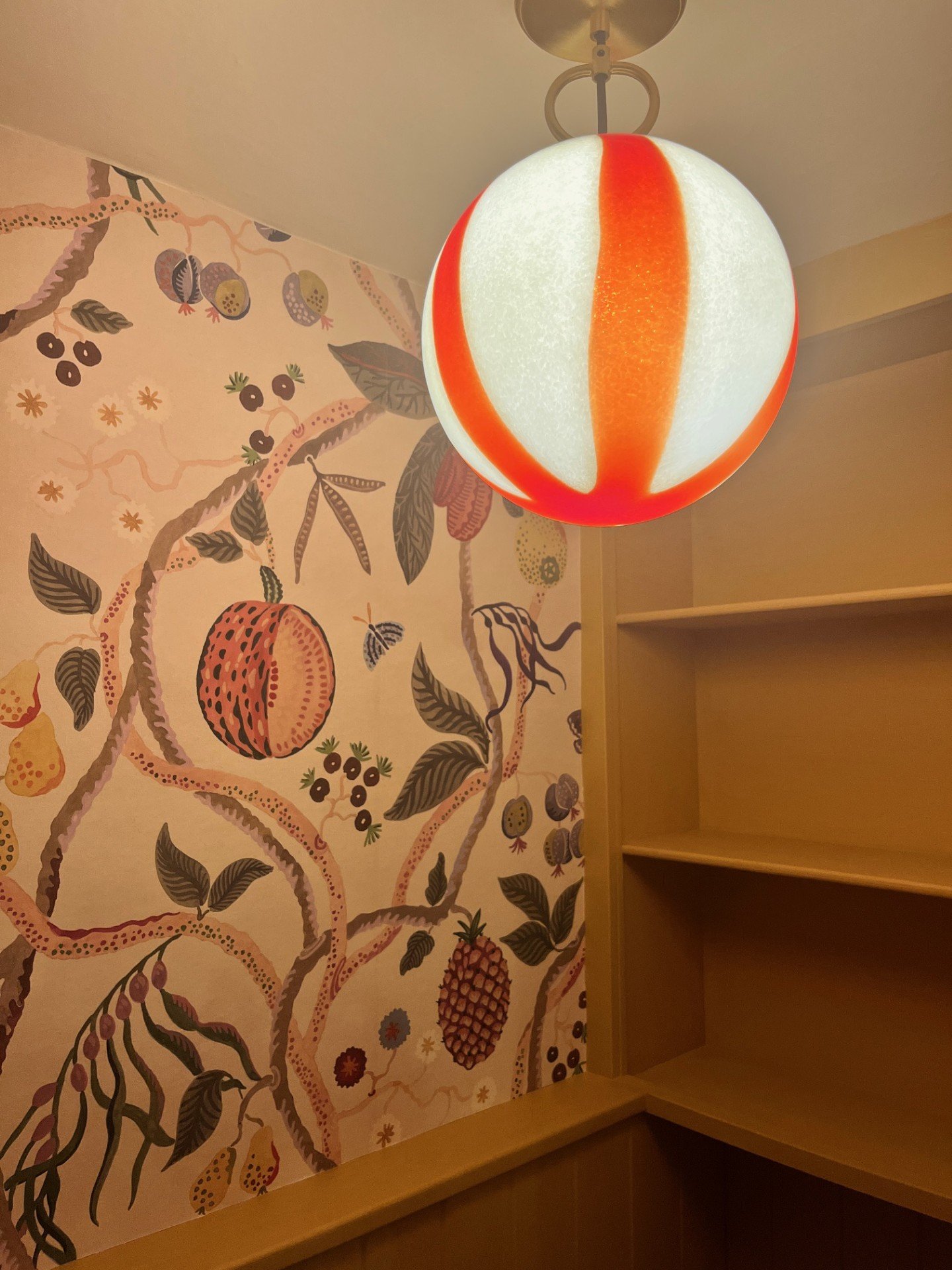
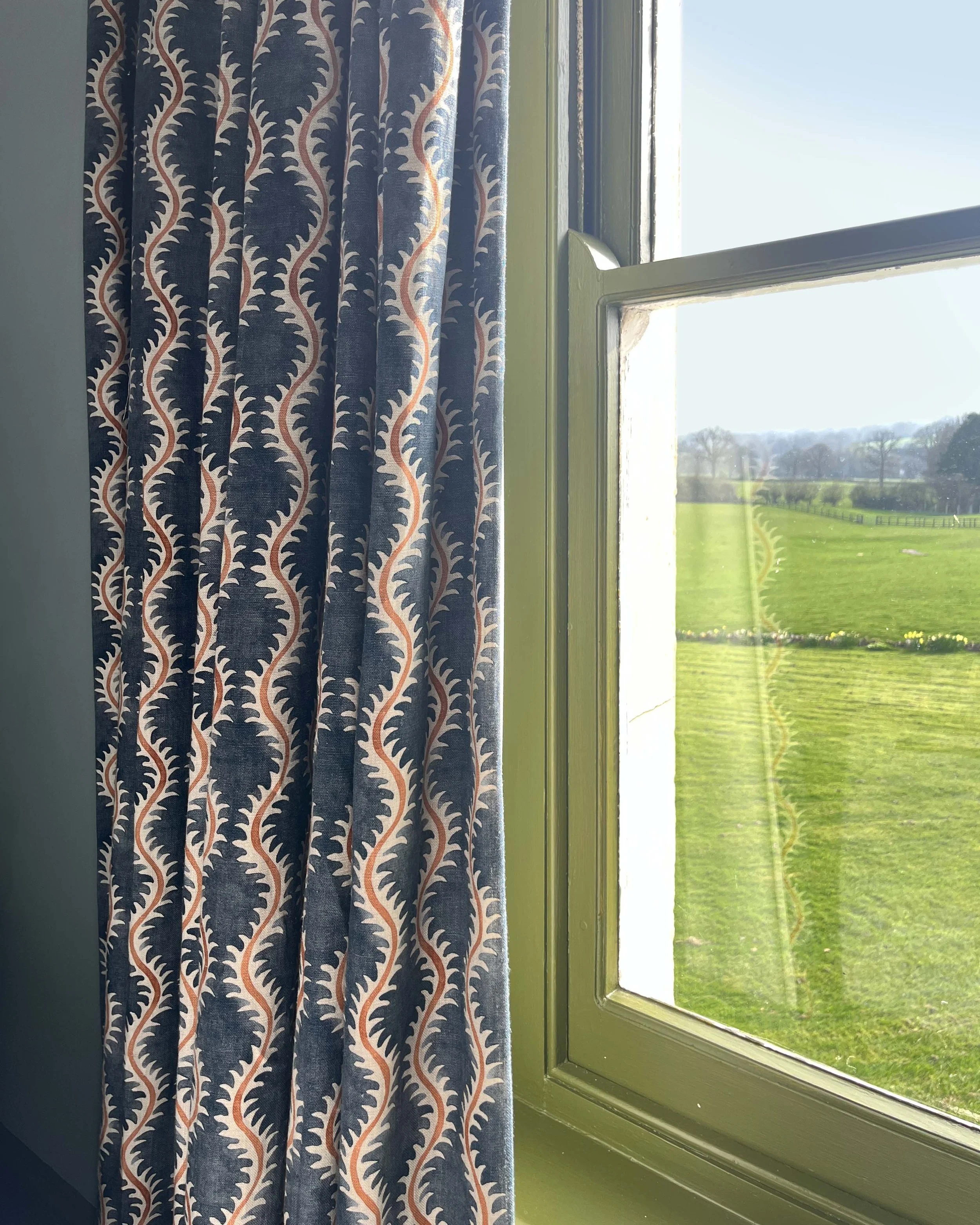
Interiors rooted in their landscape, informed by local history and materials, tend to feel settled more quickly and date more slowly. By drawing cues from landscape, architecture and local craft traditions, decisions feel grounded rather than fashionable.
Homes designed with a clear sense of place have an ease that cannot be manufactured, because every decision feels like a natural continuation of the building's story. The result is a quieter, more assured interior that wears well over time and continues to feel appropriate as tastes shift. This sense of belonging is not decorative, but deeply felt. Ultimately, ‘genius loci’ is about creating homes that are comfortable, convincing and rooted in where they stand.