

How to Modernise a Country House Without Losing Its Character
One of the most common mistakes people make when renovating a period property is trying to force an old house to behave like a new one. Country houses, farmhouses and historic cottages need a different approach; respecting the proportions, materials and history of the building is essential to creating a home that feels cohesive, comfortable and authentic to its setting.
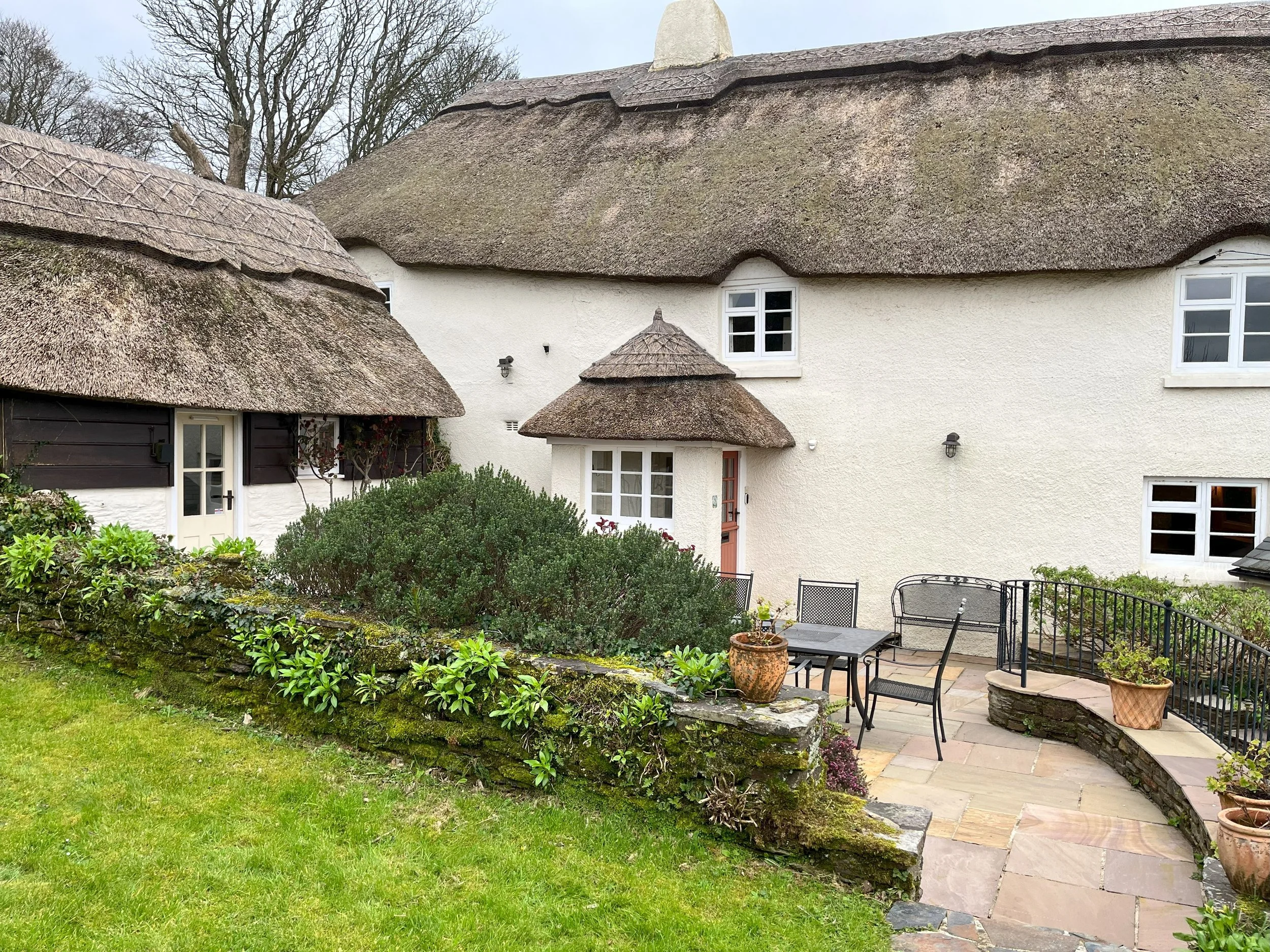
Rural life also brings its own practical considerations. Muddy dogs, outdoor clothing, changing weather and greater distance from shops and facilities all place different demands on a home compared to urban living. Historic houses are rarely straightforward either, often containing awkward layouts and layers of architecture from different centuries. Rather than fighting these quirks, the most successful country house renovations work with them.
Living in the countryside also creates a stronger connection to landscape and seasonality. Interiors should reflect this relationship through materiality, texture and practicality, responding naturally to the rhythms of rural life rather than imposing a generic idea of modern living.
The best country house interiors blend old and new:
The most successful heritage interiors are never frozen in time. A period property should support modern life comfortably, while still retaining the atmosphere and architectural character that made it special in the first place.
Historic houses often have underused rooms, poor storage and impractical circulation, particularly where buildings have evolved organically over centuries. Sensitive spatial planning can dramatically improve how a house functions without stripping away its identity. This might involve reconsidering how rooms connect, repurposing little-used formal spaces, or introducing hard-working areas such as mud rooms, laundry rooms and pantries.
Interestingly, many of the solutions to modern family life already exist within traditional architecture. The renewed popularity of larders, boot rooms and sculleries reflects the fact that older houses often solved practical problems remarkably well.
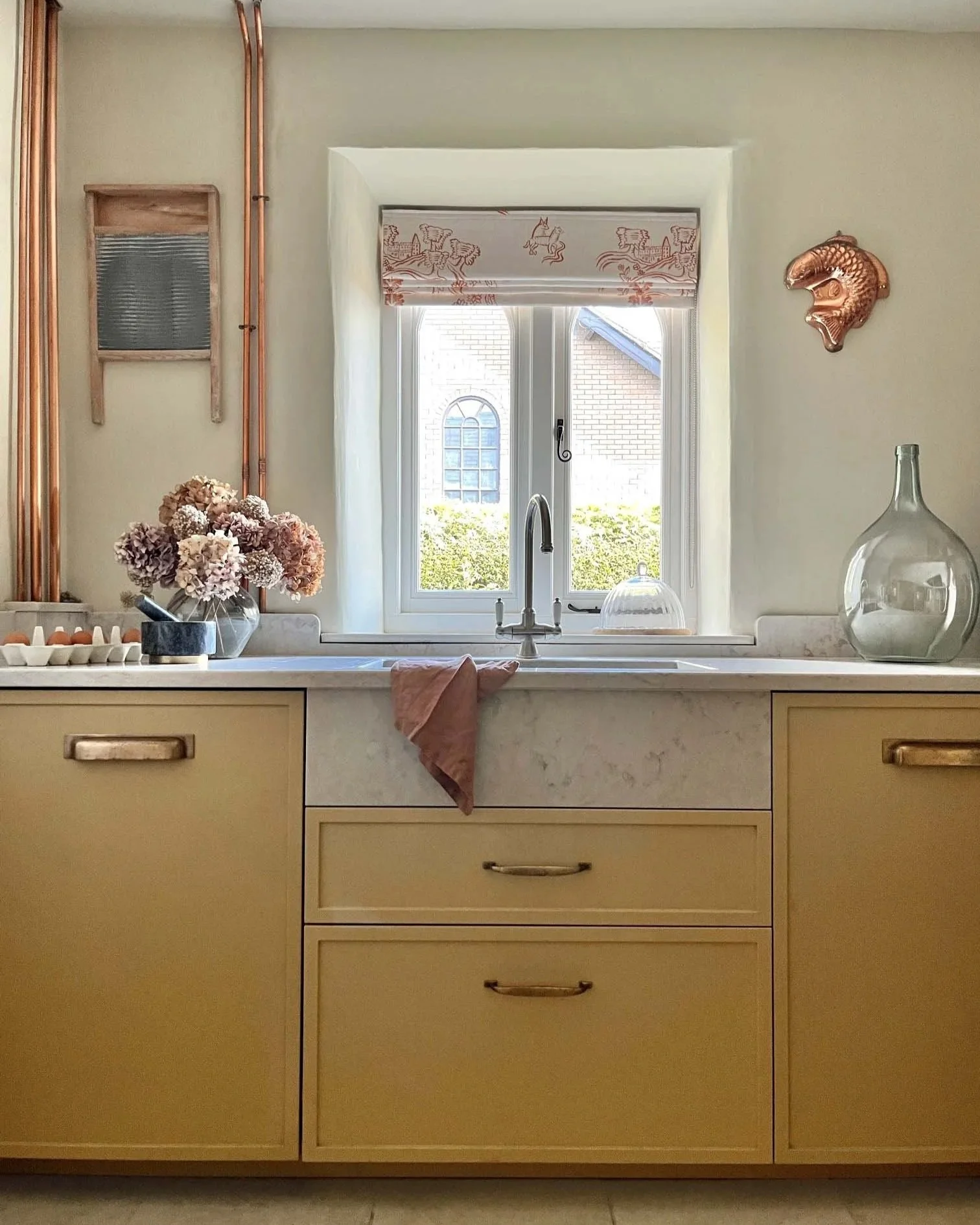
Introducing modern practicality sympathetically:
Modern comforts can absolutely be incorporated into heritage homes, but material choices matter enormously. One of the biggest mistakes people make is introducing overly sleek or synthetic finishes which jar with the age and texture of the building.
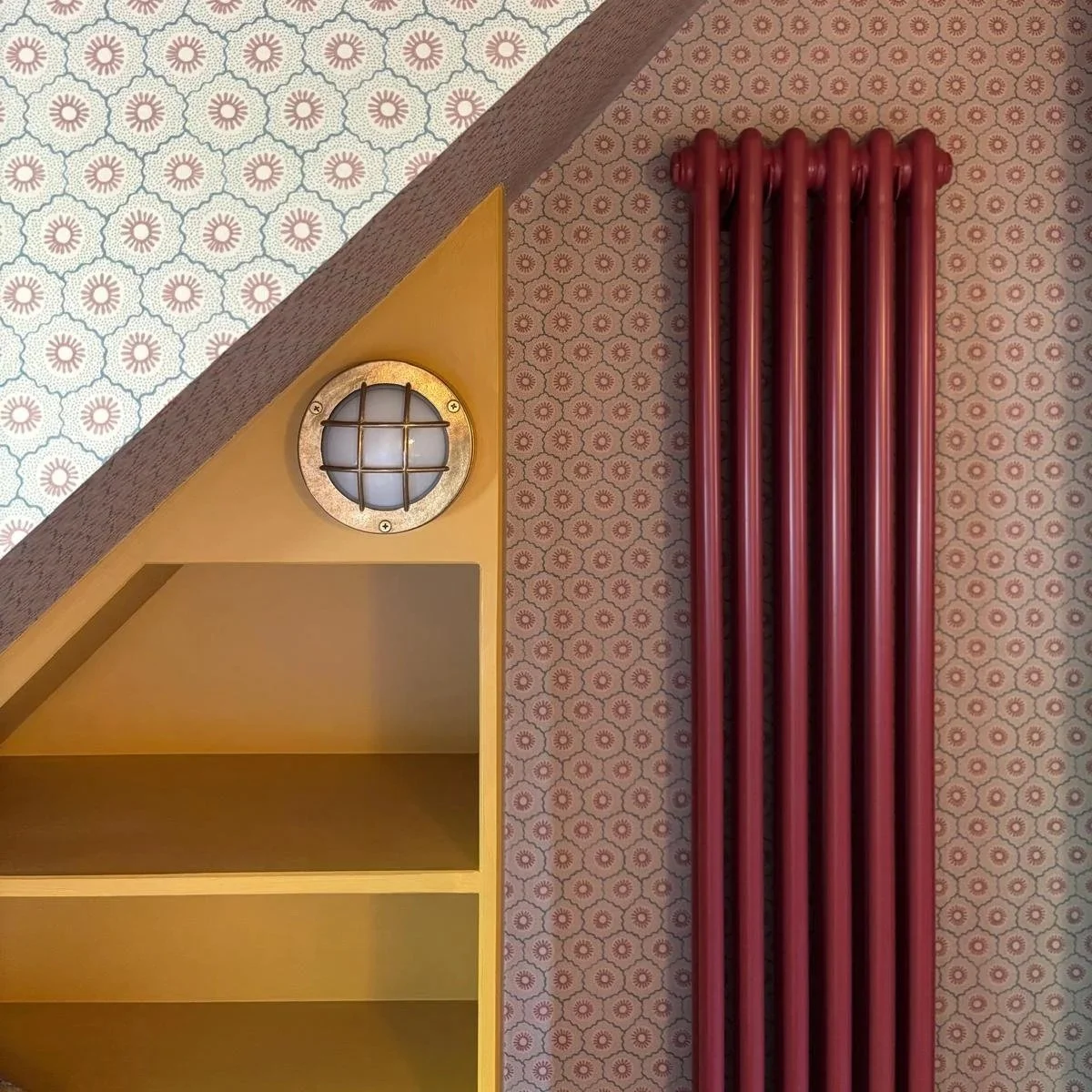
Built-in joinery is often one of the most effective ways to balance traditional character with modern practicality. Bespoke storage can be carefully integrated into awkward alcoves, unused corners and existing architectural features, improving functionality while feeling entirely in keeping with the house.
Equally important is comfort. Restoring original stone floors will look beautiful, but these materials need balancing with softness and warmth – thicker rugs, textured upholstery and layered lighting all help prevent a room feeling cold or austere.
Upgrading insulation, heating and windows also plays a crucial role in making period homes comfortable to live in year-round. These improvements should be approached sensitively, ensuring the house retains its breathability and architectural integrity.
Lighting period properties properly:
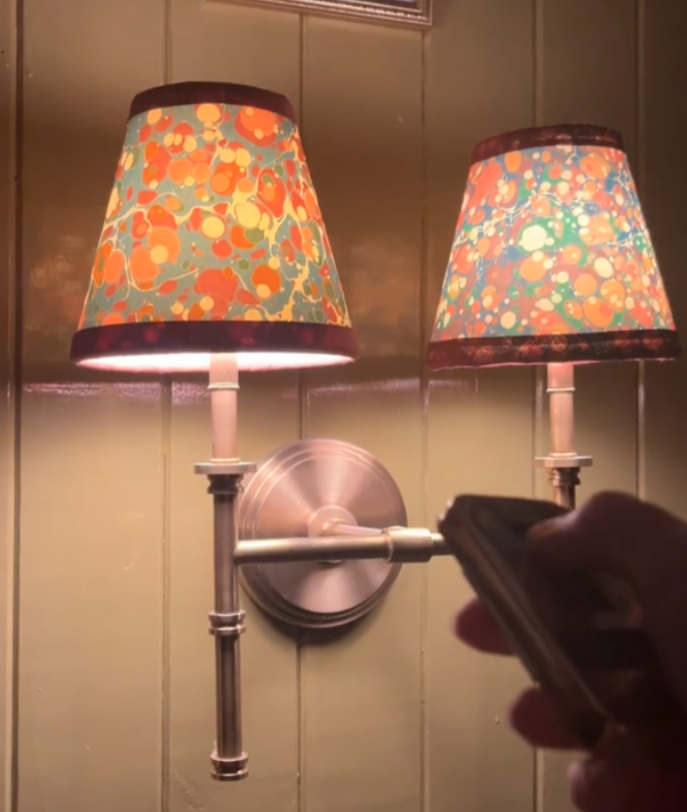
Lighting is one of the most underestimated aspects of renovating older homes. Historic houses typically require far more layered lighting than people anticipate, particularly where ceilings are low, or conversely, very high.
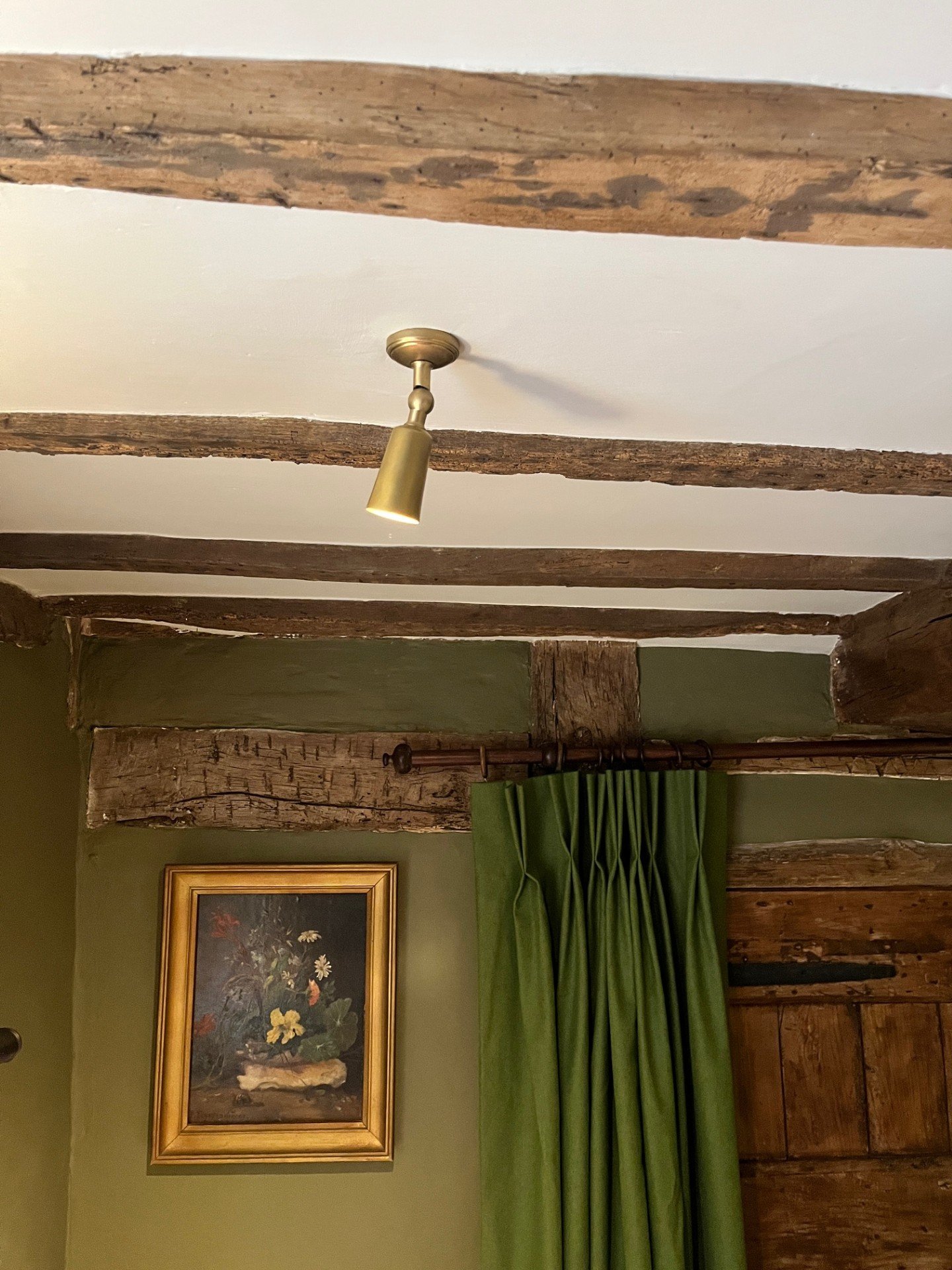
A common mistake is relying on grids of downlights, which can flatten the atmosphere and feel entirely at odds with the character of a period property. Instead, lighting should be layered thoughtfully through a combination of directional spotlights, wall lights and lamps.
Directional lighting works particularly well when used to highlight architectural details or artwork, while lamps create warmth and intimacy in the evening. Listed building restrictions can also make wiring difficult, but there are now many excellent plugged and rechargeable lighting options available which allow flexibility without invasive work.
What to avoid when renovating a period property:
One of the easiest traps to fall into is making everything historically thematic. Filling a house entirely with furniture from the same era can leave interiors feeling staged rather than natural. The best country house interiors mix periods and influences while maintaining a coherent visual language- I wrote more about this in a previous journal article here.
Materiality also matters deeply in country houses. Plastic windows, vinyl-wrapped cabinetry and pristine contemporary finishes can undermine the character of traditional architecture surprisingly quickly. Equally, painting everything white or choosing impractical pale upholstery rarely works well in a rural family house designed to withstand muddy boots, dogs and everyday wear.
Historic homes benefit from practical interventions that still acknowledge the language of the building. Thoughtfully designed joinery can elevate everyday storage by borrowing detailing and proportion from the surrounding architecture, allowing even highly functional elements to feel rooted in the house rather than inserted into it. Durable materials should be chosen not simply for practicality, but for the way they age and acquire character through use. Modern upgrades such as heating and insulation are most successful when integrated quietly, improving comfort without disrupting the atmosphere or material honesty of the building.
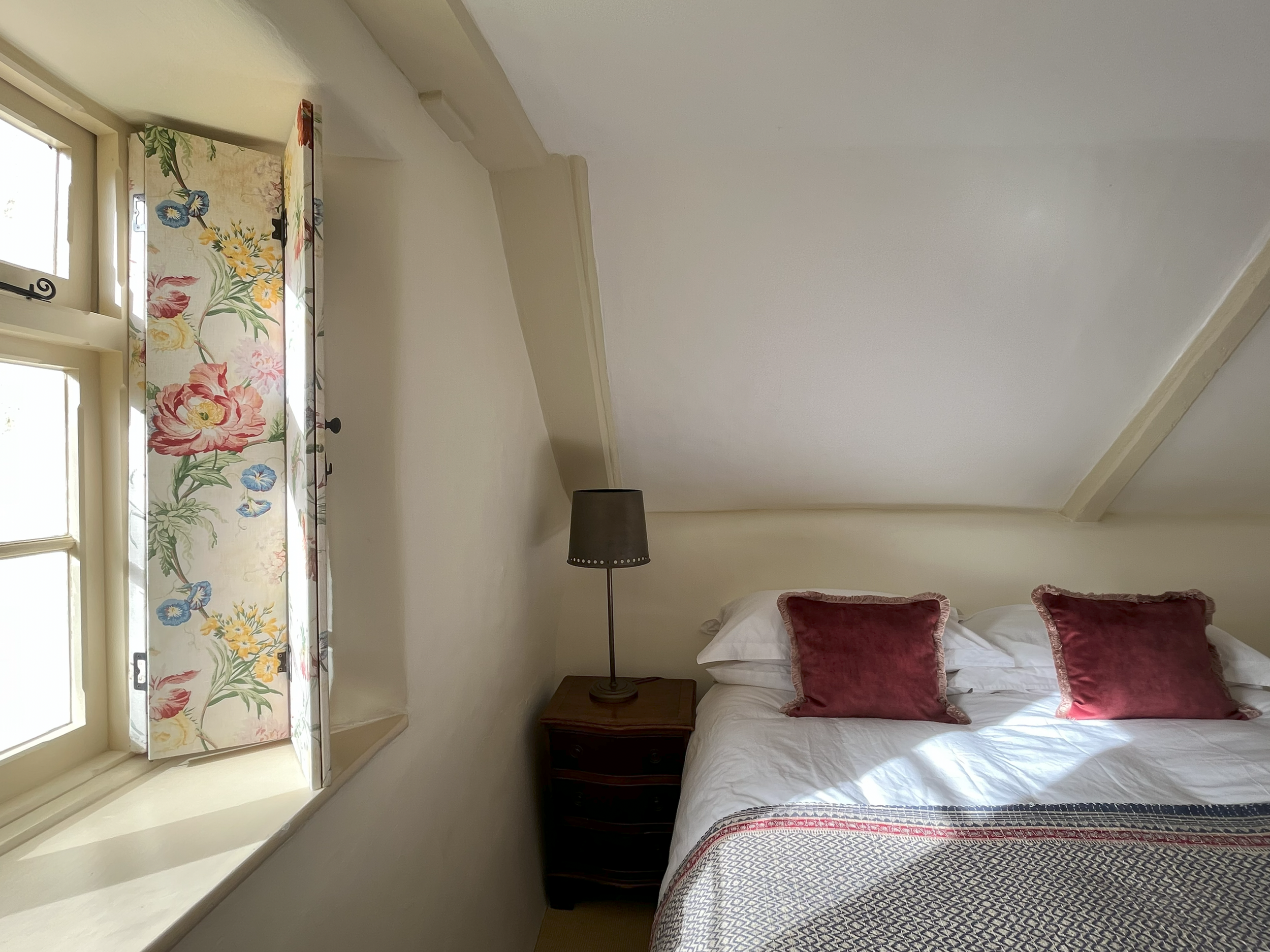
When traditional architecture is approached with sensitivity, the result is a home that feels timeless and supportive. The most successful country house renovations balance practicality with atmosphere, allowing a period property to retain its sense of age and character while functioning beautifully for modern life.
If you are renovating a period property and would like some guidance, details of my interior design services and how to contact me can be found here.